
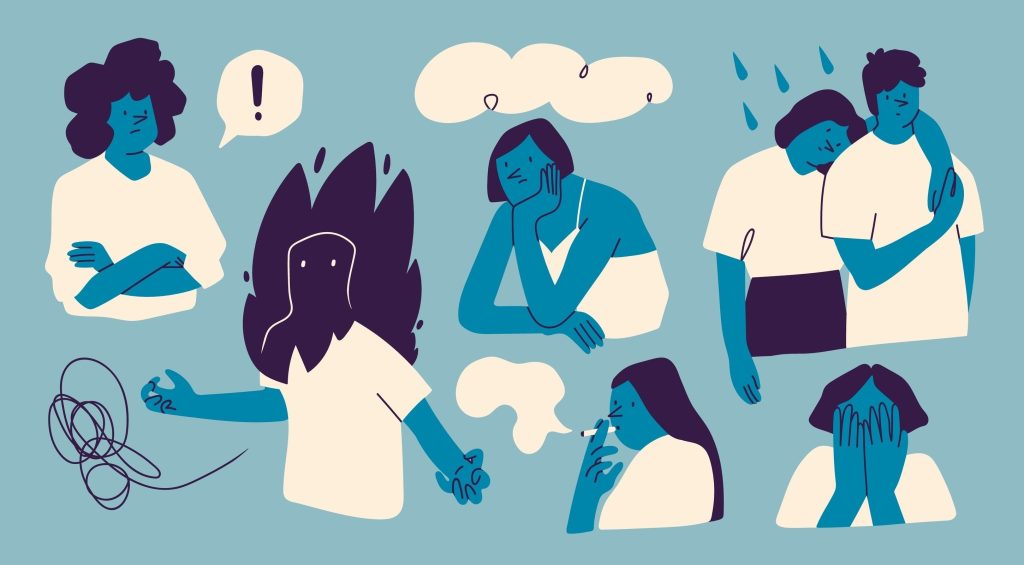
When people think about spinal misalignment, they often picture a sudden injury like a car accident or sports collision. While major injuries can certainly affect the spine and nervous system, there are many everyday stressors that can gradually contribute to imbalance in the body over time. In upper cervical and NUCCA care, we often discuss the “Three T’s” of misalignment: thoughts, traumas, and toxins.
These three categories represent the physical, emotional, and chemical stresses that can influence how the body functions and adapts. When stress accumulates faster than the body can recover, it can contribute to tension, poor posture, nervous system imbalance, and difficulty maintaining proper alignment.
Thoughts: The Impact of Stress on the Body
Mental and emotional stress can have a significant effect on physical health. Have you ever noticed tight shoulders, jaw clenching, headaches, or neck tension after a stressful day? Thoughts and emotions directly influence muscle tone, posture, breathing patterns, and nervous system activity.
When the body remains in a prolonged “fight or flight” state, muscles can tighten and pull unevenly on the spine. Over time, chronic stress may contribute to poor posture, restricted movement, fatigue, sleep problems, and increased tension throughout the body.
In today’s fast-paced world, many people spend their days juggling work demands, staring at screens, rushing through traffic, and managing constant mental stimulation. These daily stressors can quietly create physical strain without people even realizing it.
This is why stress management is such an important part of maintaining alignment and overall health. Practices like walking outdoors, breathing exercises, stretching, meditation, proper sleep, and regular movement can help calm the nervous system and reduce unnecessary tension patterns.
Traumas: Big and Small Physical Stressors
Trauma does not always mean a dramatic injury. While car accidents, falls, and sports injuries are obvious physical stressors, repetitive daily habits can also create ongoing strain on the body.
Poor posture at a desk, constantly looking down at a phone, repetitive lifting, improper exercise mechanics, or even carrying a heavy bag on one shoulder can place uneven stress on the spine over time. Small stresses repeated consistently may eventually lead to muscle imbalance, joint restriction, and altered movement patterns.
Many people in Seattle spend long hours commuting, working at computers, or sitting throughout the day. These repetitive positions can gradually contribute to tension in the neck and shoulders, especially when combined with stress and lack of movement.
Physical trauma can also affect the body years after the original event. Some people do not connect past injuries to current symptoms because the body is very good at compensating. However, compensation patterns can eventually lead to discomfort, stiffness, headaches, dizziness, or reduced mobility.
Upper cervical NUCCA care focuses on improving alignment and reducing stress on the nervous system so the body can function more efficiently. Along with adjustments, patients are often given recommendations for posture, ergonomics, sleeping positions, and daily habits that may help them maintain better balance over time.
Toxins: Chemical Stress and Nervous System Health
The third T stands for toxins. Chemical stress can come from both environmental and dietary sources and may influence how the body functions.
Processed foods, excess sugar, dehydration, alcohol, poor air quality, lack of sleep, and chronic inflammation can all place additional stress on the body’s systems. Even though toxins may not seem directly related to spinal health, the body responds to chemical stress similarly to other stressors — through tension, inflammation, fatigue, and nervous system overload.
Supporting the body with healthier habits can improve resilience and recovery. Eating whole foods, staying hydrated, prioritizing sleep, exercising regularly, and reducing exposure to unnecessary chemicals may help the body better adapt to stress.
How NUCCA Addresses The Three T’s of Misalignment

The body functions as an interconnected system. Thoughts, traumas, and toxins all influence how we feel, move, and function on a daily basis. Addressing only one area while ignoring the others may make it harder for the body to maintain balance long term.
NUCCA care is designed to support proper nervous system function and structural balance, but daily habits matter too. By becoming more aware of physical, emotional, and chemical stressors, patients can take active steps toward better health, improved posture, and greater overall well-being.
Small changes practiced consistently can make a meaningful difference in how the body adapts to stress and maintains alignment over time. Call our office to book your next adjustment and help us help you get to feeling like your best self.