
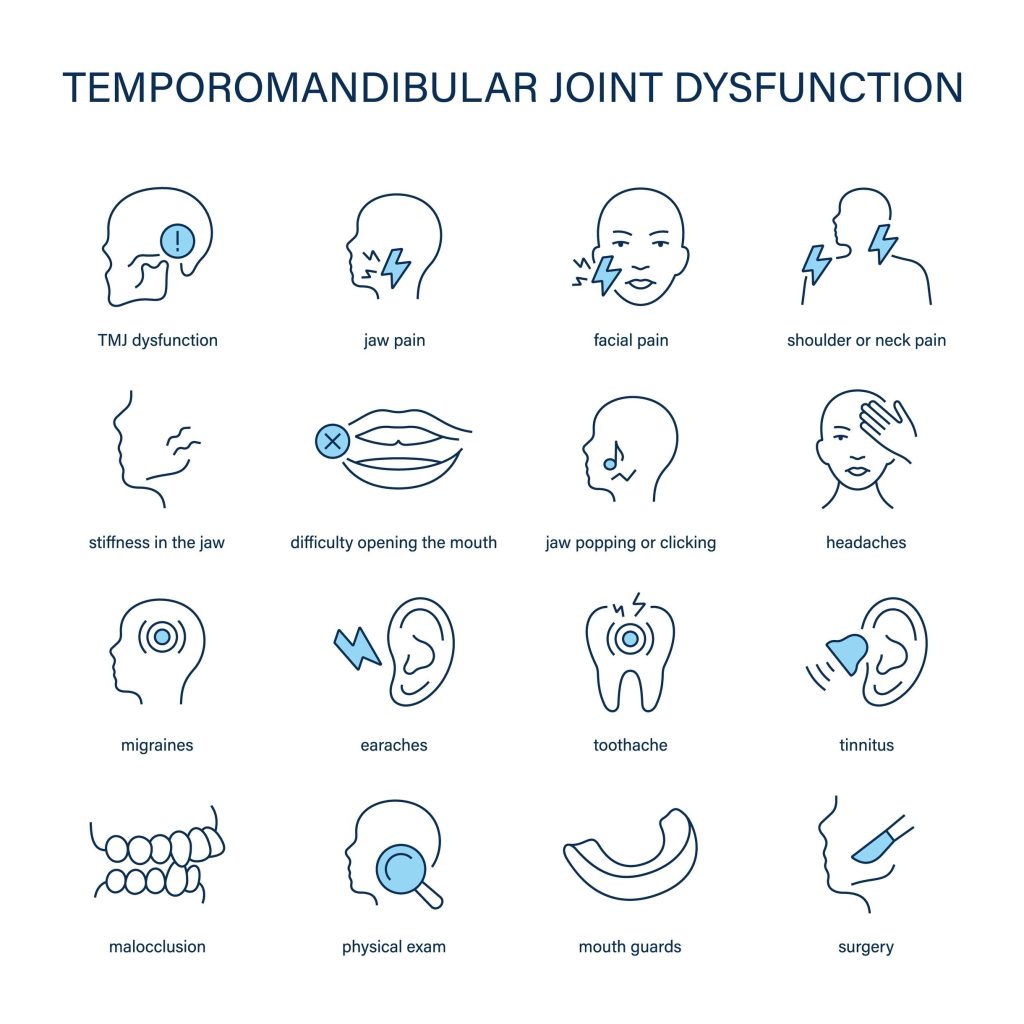
If you live in Seattle and find yourself dealing with jaw pain, clicking, popping, headaches, or ear pressure, you’re not alone. TMJ disorder (a.k.a. TMD) affects an estimated 12 million people in the US. It mostly affects people aged 20- 40 and women are twice as likely to get it. The cause of the disorder can have a variety of causes which can cause the origin to be difficult to determine. It is commonly attributed to bruxism, which is the habit of clenching or grinding your teeth due to stress or PTSD. Many people automatically think of TMJ disorders and look for medication, mouth guards, or invasive surgery. But what if the root problem isn’t in your jaw at all?
At Discover Health Chiropractic, we frequently see patients whose jaw symptoms actually stem from misalignments in the upper neck — specifically the atlas (C1) vertebra.
The Hidden Connection Between Your Neck and Jaw
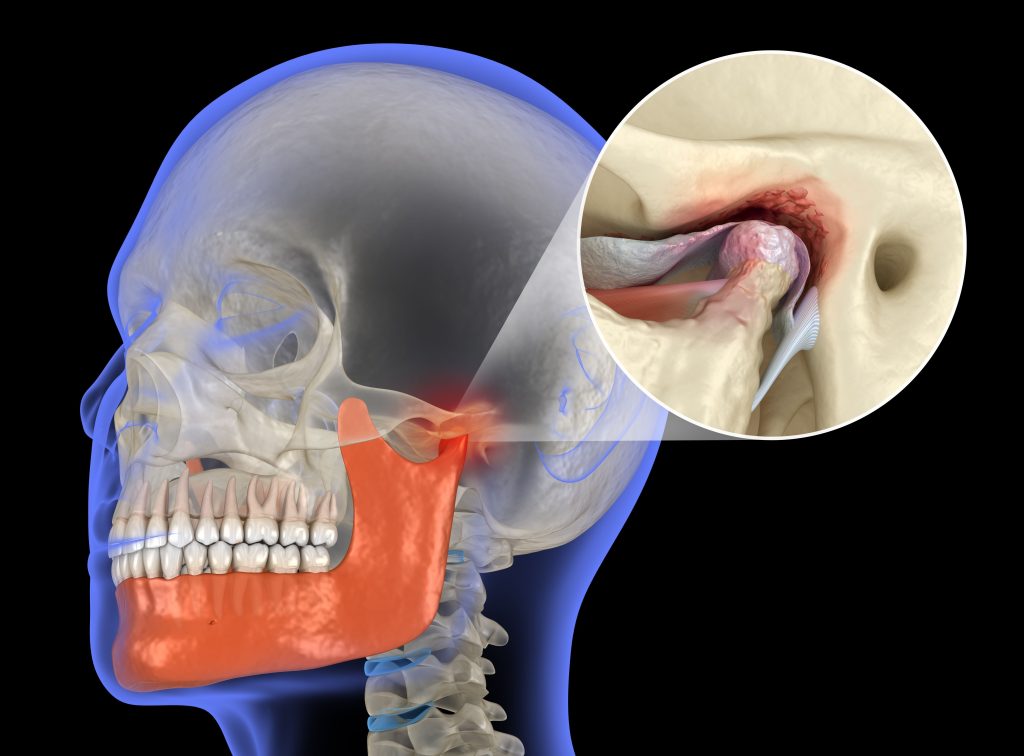
Your skull sits directly on the atlas vertebra which is the topmost bone of your cervical spine. Due to this pivotal connection between brain structure and spinal cord, when this bone shifts even slightly out of alignment due to accidents, injury or stress, it creates a chain reaction throughout the body/nervous system.
- Uneven pressure on the jaw joints (TMJ)
- Tightening of muscles that connect the neck to the jaw
- Irritation of nerves that control jaw function and sensation
- Increased muscle tension and inflammation in the face and head
This is why so many people with long-term TMJ issues also report neck stiffness, migraines, dizziness, or even shoulder pain in addition to the jaw pain.
Why Traditional Approaches Sometimes Fall Short
Popular treatments for TMJ include medications such as pain meds and anti-anxiety medication or intraoral appliances such as night-guards and bruxism splints. While they have worked for some, they do not come without their own set of issues. Medications often just mask the pain, and you can run the risk of addiction or equally uncomfortable side effects. And as for night-guards and similar appliances, there is NOT very much actual evidence that they can improve TMJ pain. This is because while night-guards, medications, and massage can all provide temporary relief, they fail to actually address the root cause. So if your pain stems from an the upper neck remains misaligned, the true underlying mechanical stress keeps returning. This is where NUCCA chiropractic stands apart.
NUCCA is a highly precise, non-twisting, non-popping technique that focuses exclusively on correcting the upper cervical spine. Using detailed X-rays and mathematical analysis, Dr. Reanna Plancich measures the exact degree and direction of misalignment, then delivers a gentle correction tailored specifically to you.
Benefits that many patients notice include:
- Reduced jaw tension and clicking
- Fewer tension headaches
- Improved neck mobility
- Better overall posture
- Decreased facial pain and ear fullness
Because NUCCA works with your body’s natural healing ability rather than forcing movement, adjustments are extremely comfortable and hold longer than traditional methods.
Real Results in Seattle
Many of our patients in the U District, Capitol Hill, and Wallingford areas come in frustrated after trying multiple approaches. After getting their upper neck stabilized with NUCCA, they often report their jaw symptoms improving dramatically — sometimes within just a few visits.
Ready to Address the Root Cause?
If you’re tired of managing jaw pain and want a natural, precise solution, upper cervical care may be the missing piece.
Schedule your consultation with Dr. Reanna Plancich at Discover Health Chiropractic today. We’ll perform a thorough evaluation to see if NUCCA could help you finally find lasting relief.